


Buona Festa Del Papa!

The Saint Joseph Altar
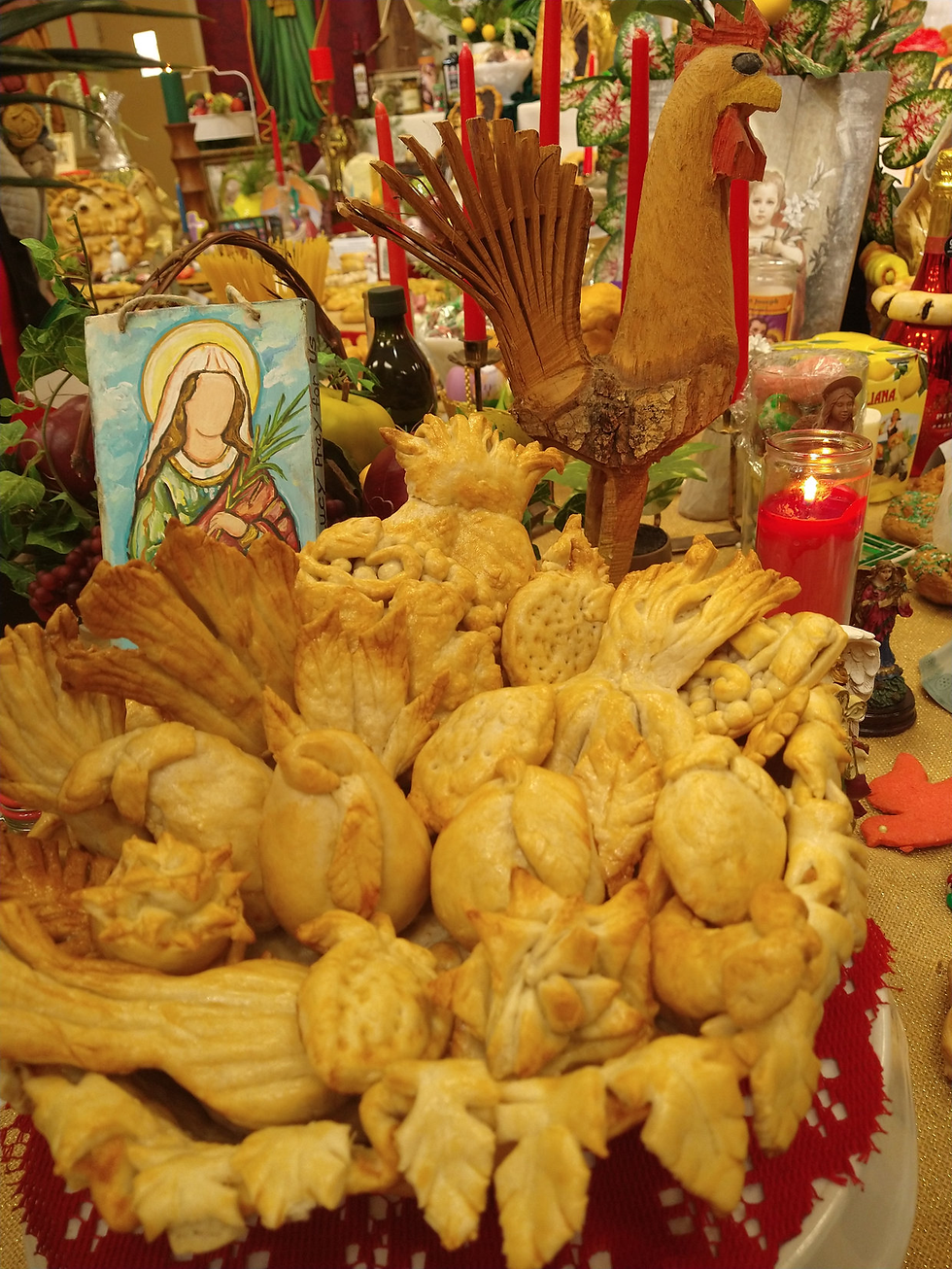
Celebrated annually on March 19, the Feast of St. Joseph holds a special place in the hearts of Catholics worldwide. This commemoration of the foster father of Jesus Christ is more than just a holy day; it is a vibrant celebration of faith, family, and community. Though this celebration is regrettably not as widespread as it was in olden times, it remains a powerful testament to Catholics’ devotion to St. Joseph and the cultural heritage represented by the St. Joseph’s Day pageantry in countries around the world. The significance of St. Joseph’s Day is further heightened by its occurrence during the penitential season of Lent. As a solemnity, the feast allows a moment of joy amid somberness, allowing for celebration without breaking the spirit of the season. It is a day of respite and thankfulness in the midst of a season of penance. At the core of the celebration is the St. Joseph Table. Rooted in Sicilian history, the tradition of St. Joseph Tables recalls a time when the saint’s intercession was credited with ending a famine, with fava beans sustaining the people throughout their hardship. The St. Joseph Table is a lavish display typically set in the homes of the faithful, although they sometimes appear in churches as well. The celebrations are particularly extravagant in Italy (where the day is also celebrated as Father’s Day!). On March 19, entire towns or villages throughout Italy become pilgrimage routes as households open their doors to the public. A citywide map is often created, marking each participating home. Pilgrims travel from house to house, admiring the richly decorated tables, which are adorned with statues of St. Joseph, flowers, candles, and abundant offerings of food, including breads, pastries, and fruits arranged with care. Processions may occur as well, though these are secondary to the pilgrimages. The pilgrimage is meant to be a deeply engaging experience. At each table, travelers may leave a prayer for a loved one, write a family member’s name, or add a holy object, personalizing their devotion. In return, hosts offer small, blessed gifts to their guests: tiny bags of salt, miniature croutons of bread, and fava beans, symbols of St. Joseph’s care and sustenance. These tokens are more than souvenirs; they are reminders of the saint’s protective presence and can be carried home as mementos of the day’s festivities. Yet for all this, the celebration does not end with abundance for the participants alone. In keeping with Lent’s call to charity and St. Joseph’s concern for the needy, all the goods and treats from the Joseph Tables are donated to the poor after the festivities. This act of giving ensures that the feast’s joy extends into the community, honoring the saint with an act of charity. Sadly, very few communities worldwide still uphold this tradition. One such community is Thibodaux, Louisiana. Photos of the Thibodaux celebrations capture the beauty of the custom—the open homes, intricate altars, and quiet moments of prayer—but they also underscore its rarity in a world where such traditional customs are increasingly fading into oblivion. The St. Joseph Table is no mere relic of the past; it is a living expression of the Catholic faith and the generosity that binds communities together. As fewer places preserve this tradition, its survival in towns like Thibodaux serves as both an inspiration and a challenge to today’s Catholics: to keep alive the devotion to St. Joseph and the piety he inspires. |
Special Thanks To:
Viva San Giuseppe! |




Comments